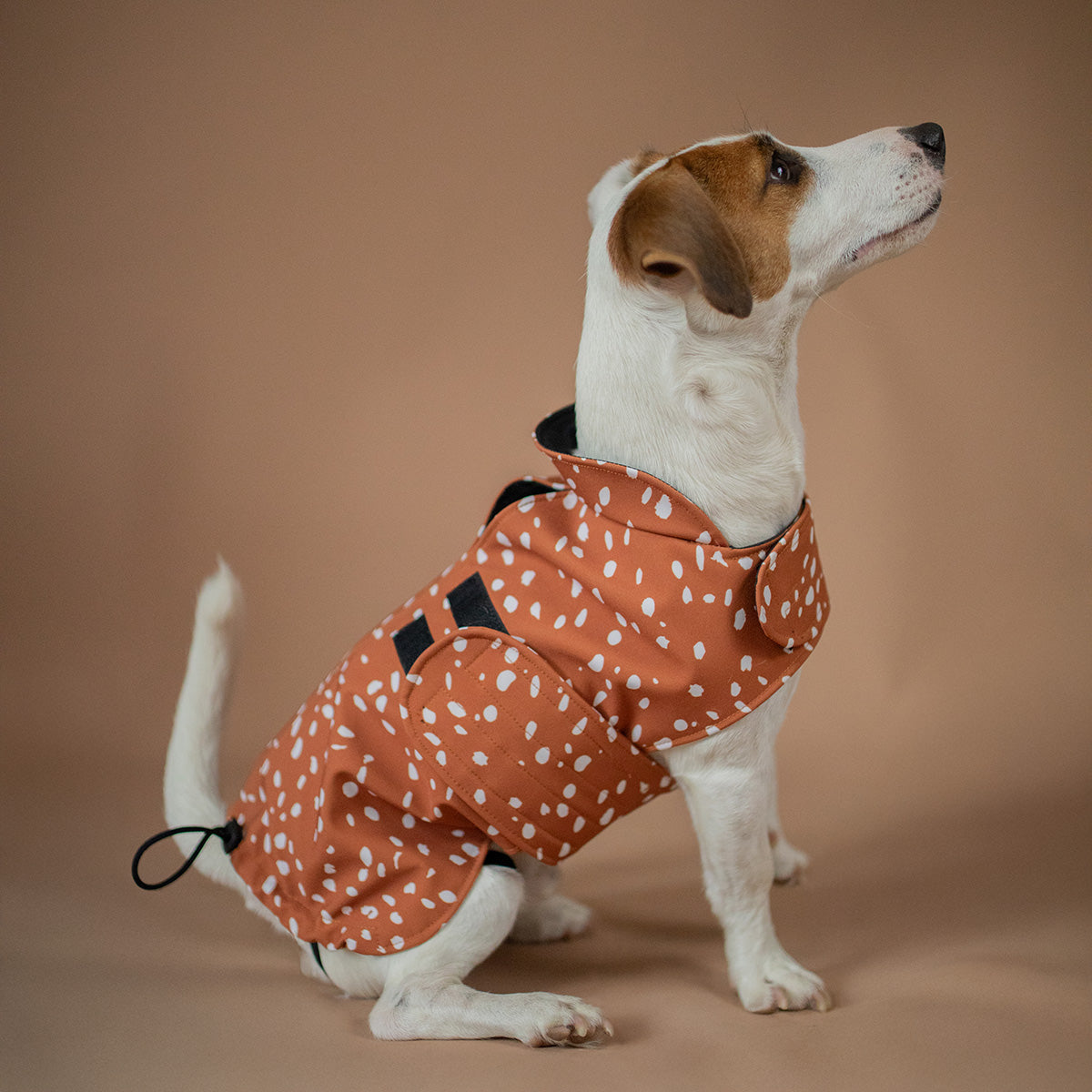
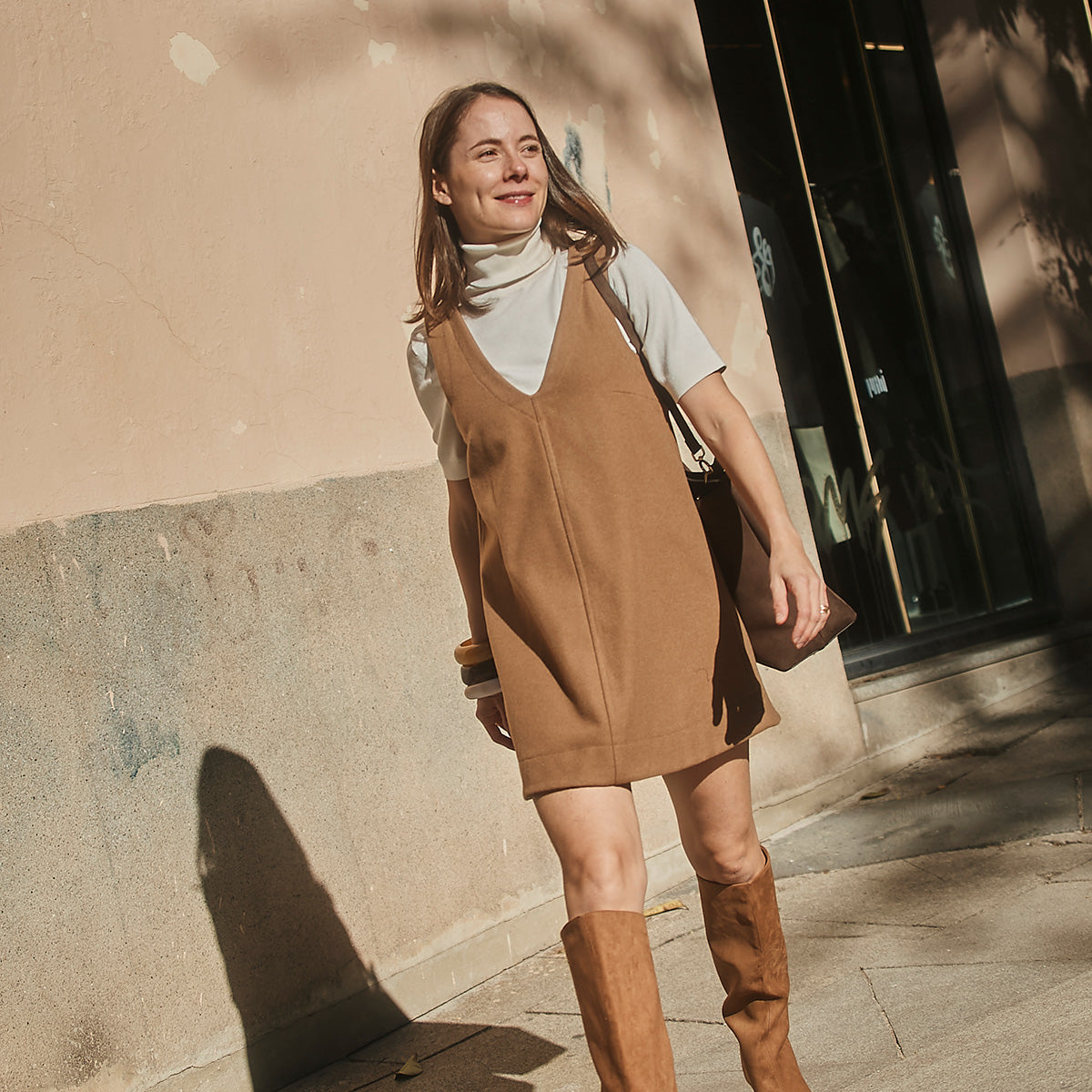

As the first cold snaps arrive, the question of a winter coat comes up every year: last year's is too short, the one from the store only fits your growing child "halfway" when they're always between sizes, and warm, well-cut styles are hard to find in stores. Sewing your child's winter jacket or coat yourself lets you choose exactly the fabric, lining and finishes you want, and make a garment tailored to their current measurements. We'll show you how, which fabrics to choose, and why a single pattern can be made into as many coats as you have children or ideas.

Why sew a winter coat instead of buying one?
A child's winter coat has to tick a lot of boxes at once: it should be warm, but not too bulky to restrict movement; easy to put on independently in the morning, but with a closure that really keeps the cold out; and sturdy enough to withstand a whole season of playtime. By sewing it yourself, you can choose an outer fabric suited to your region's climate, a lining that really insulates (not just for looks), and adjust the sleeve length to your child's actual proportions rather than a standard size chart. It's also a chance to vary the details from one year to the next: a removable hood, patch pockets, a button placket, all without changing the basic pattern.
Which fabric should you choose for a truly waterproof coat?
The choice of outer fabric determines above all how well the coat really protects against cold, wind and rain - long before appearance comes into question.
Softshell and water-repellent fabric: reliable protection against cold and damp
Double-sided softshell - coated and water-repellent on the outside, soft and warm to the touch on the inside - is the ideal material for a real winter coat: it protects against light rain and wind without needing a separate waterproof lining. Coated fabric (matte or glossy) offers the same protection with a slightly softer drape, making it perfect for slushy days too. These fabrics are easy to care for (a quick wipe with a sponge is usually all it takes) and retain their water-repellent properties through several washes. Browse our full selection of windproof, water-repellent, waterproof and softshell fabrics for this type of project.
Corduroy and bouclé for a dressier look
For a less technical look, medium- to wide-wale corduroy or thick bouclé gives a coat a more classic, almost tailored look. Note, however, that these fabrics alone won't protect against rain, so it's best to opt for a warm lining (sherpa, quilted fleece) and save this choice for dry days or short trips.


Finishing touches that make all the difference in bitter cold
On a winter coat, it's often the little details that make all the difference day to day. A hood lined with sherpa or fleece keeps the head warm without the need for an extra scarf, and a sturdy zipper (ideally with a large pull that's easy to grab with mittens) avoids morning battles on the way to school. Also consider a chin guard or an inner flap behind the zipper: a subtle detail that keeps the zipper from pinching the skin or the fabric of the sweater underneath. Patch pockets, finally, are more than just a decorative detail: deep enough, they keep hands warm without always needing gloves close at hand.
Line your coat well for true winter comfort

The lining often makes the difference between a coat that “looks warm” and one that really is. A sherpa or faux fur lining provides the most warmth, especially around the torso and hood; a thin layer of batting between the outer fabric and a standard lining is a lighter alternative, handy if your child tends to get too hot indoors. In any case, make sure the lining doesn't pull on the outer fabric once assembled: it's best to cut it with a little extra ease, especially around the armholes, so the two layers can move freely against each other.
The pattern SAM KIDS, our pick for this winter
At ikatee, the pattern for the SAM KIDS children's parka, jacket, and coat was designed precisely for this versatility: a single pattern base can be made as a short parka, a mid-length jacket, or a lined coat, with an optional hood, patch pockets, and zipper closure. Available in sizes 3 to 12 years as a PDF to print at home or in a projector-friendly version, it works just as well with water-repellent softshell as with corduroy or thick boucle—the three versions shown above are all sewn from the same pattern. Intermediate to advanced sewing level (hood construction, full lining installation), this is a project to set aside a weekend for rather than an evening, but in return you'll have a truly handmade winter coat.
Want to compare other styles before choosing? The Parkas, Jackets and Coats Sewing Patterns collection brings together all our styles for babies, children, and women, from the lightest to the warmest.
Our tips for a coat that lasts all season
A child's winter coat has to withstand a lot: a schoolbag on their shoulders, climbing ropes at recess, and long hours in the washing machine alongside sports bags. To make sure it lasts the season, always reinforce the buttons or the top of the zipper with a few extra stitches, and sew a second safety stitch along the armscye in addition to the main seam: this is the area that takes the most strain during play. Finally, remember to sew a custom woven label with your child's name into the neckline or lining: it's the best way to get a lost coat back from the ice rink or a school trip, a precious thing in the middle of winter.

Warm, sturdy, and sewn to fit just right: this handmade winter coat has all the qualities of the one you never dare hope to find in a shop. Just one pattern, a suitable lining, and your choice of fabric are all you need to dress your child all winter long, with the added pride of having sewn it yourself.